

Dr. Giuseppe Scuzzo & Dr. Giacomo Scuzzo
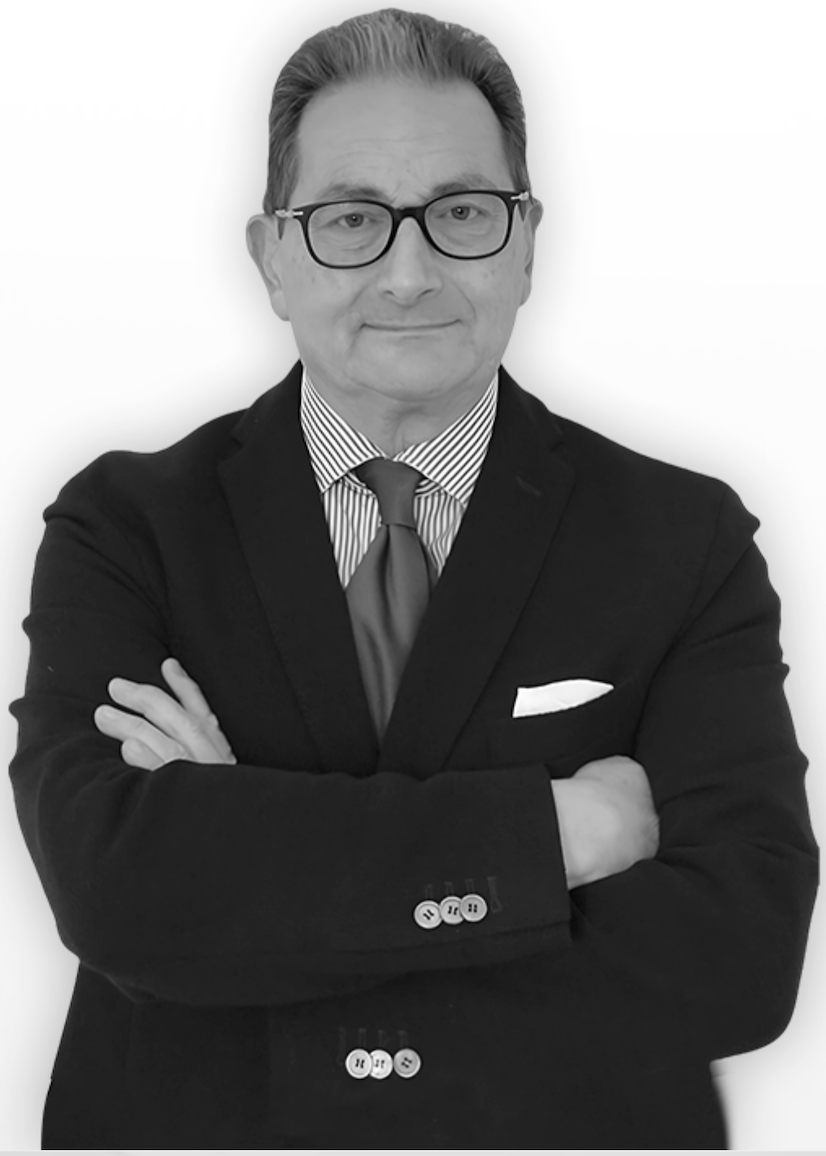
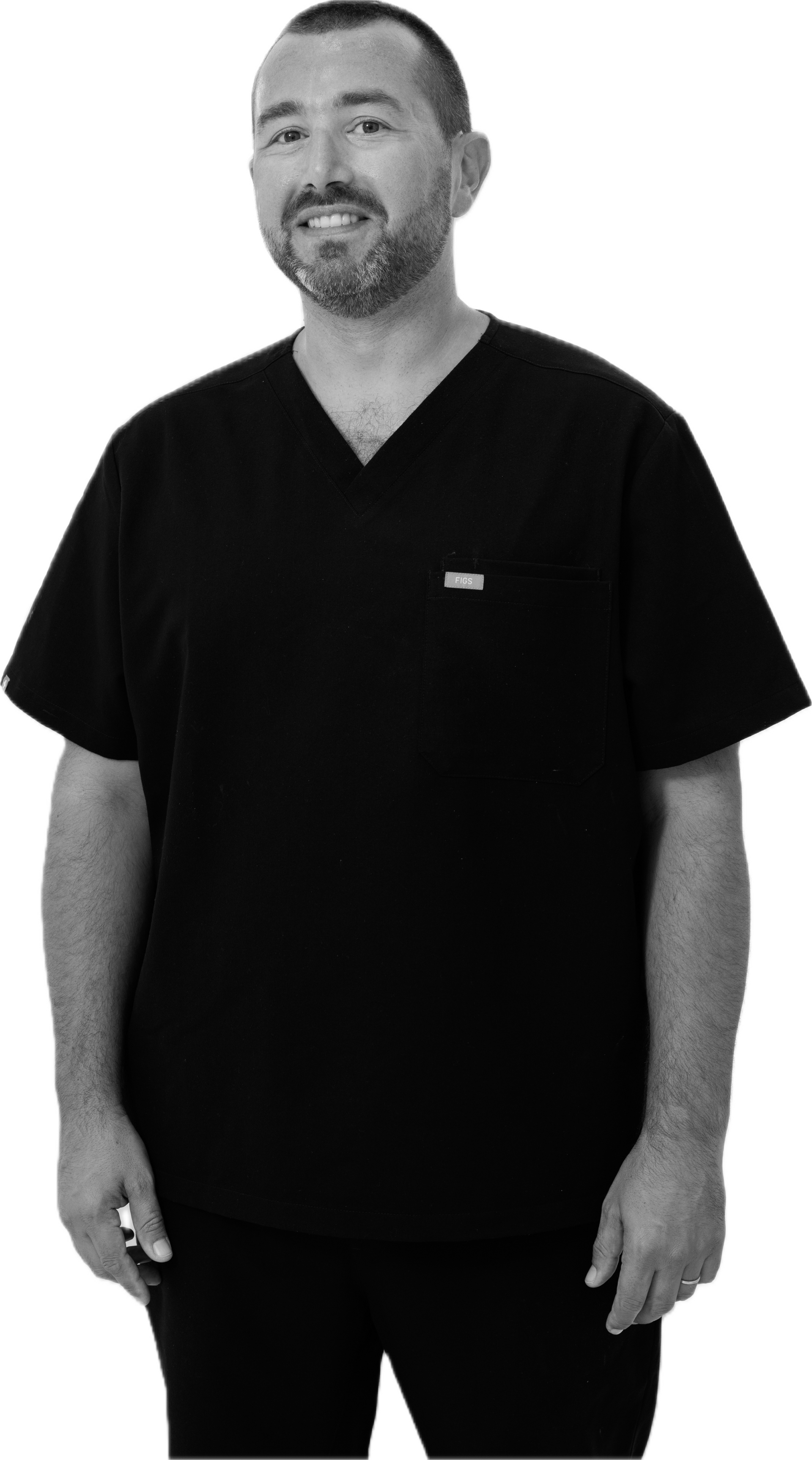
Dr. Giuseppe Scuzzo
Italy
Dr. Giuseppe Scuzzo CV
Dr. Giuseppe Scuzzo graduated in medicine in 1983 (University of Rome) and specialised in dentistry and orthodontics at the University of Ferrara
Dr. Scuzzo has authored more than 300 communications at national and international conferences and has published 85 articles, most of which with journal citation report (JCR)3. He also published 3 books on lingual orthodontics translated in 6 languages.
EBO diplomate (European Board of Orthodontists) the only one in Europe diplomated with all lingual cases.
WBLO diplomate (World Board of Lingual Orthodontists)
Fellow member of the Royal College of Surgeons of Edinburgh.
Dr. Scuzzo has a private practice limited to Invisible orthodontics in Rome, Italy.
Dr. Giacomo Scuzzo
Italy
Degree in Dentistry and Dental Prosthetics from the European University of Madrid (Spain).
Specialisation in Orthodontics at the University of Ferrara (Italy).
Scholarship holder for digital orthodontics in postgraduate studies in orthodontics at the University of Ferrara (Italy).
Participation in master's programmes in orthodontics in Tweed, MBT, two-dimensional and Damon techniques.
Professional activity exclusively in the field of aesthetic orthodontics, with a particular interest in lingual techniques and aligners.
Dr. Scuzzo has given lectures in Italy and abroad and published articles on lingual techniques, aligners and hybrid techniques.
Dr. Scuzzo is president of the Italian Association of Lingual Techniques (AIOL)