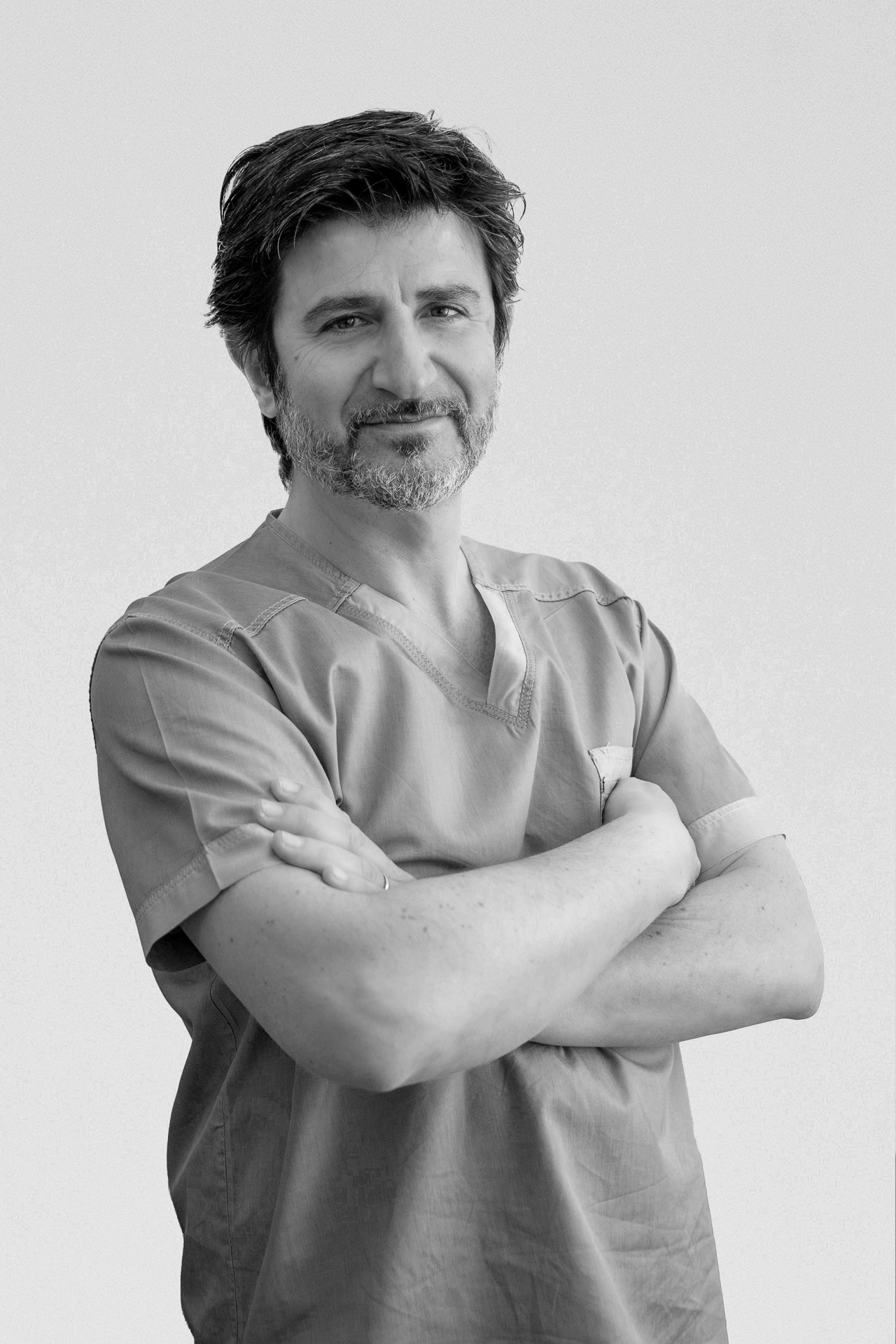
Aligner Orthodontics, current trends and future perspectives
This presentation will explore current innovations in aligner orthodontics, focusing on advances in biomechanics and troubleshooting, and will examine future directions driven by emerging technologies. Recent research has significantly improved our understanding of the force distribution, material properties and clinical efficacy ofaligners. Modern biomechanical principles are now integral to the design oftreatment protocols that maximise precise tooth movement while minimising adverse effects. Through iterative testing and digital simulation, clinicians are better equipped to address common challenges such as inadequate torque control and unpredictable aligner fit, ensuring a more reliable treatment outcome.
Looking ahead, the integration of large-scale 3D printing will revolutionise aligner production by enabling mass customisation and reducing manufacturing time. In addition, the advent of metabolomics studies is paving the way for extreme personalisation in treatment planning, enabling tailored approaches that take into account individual metabolic profiles and biological responses. In parallel, advances in biocompatible and biodegradable materials promise not only improved patient comfort and safety, but also reduced environmental impact. By synthesising these interdisciplinary innovations, this presentation provides a comprehensive overview of current practice and outlines a transformative vision for the future of aligner orthodontics, where precision, efficiency and personalised care converge to redefine clinical excellence. many years now, digitalisation has been revolutionising processes in orthodontic practice. Whilst the combination of aligner therapy and intraoral scanning initially provided considerable momentum, telemedicine combined with artificial intelligence (AI) is now finding its way into everyday practice. The increasing digitalisation and virtualisation of the practice can be seen as part of the solution to current problems such as the shortage of skilled workers or the increasing economic pressure resulting from inflation and budgeting. However, it is important that the increased screen time be compensated for by lifestyle adjustments.