

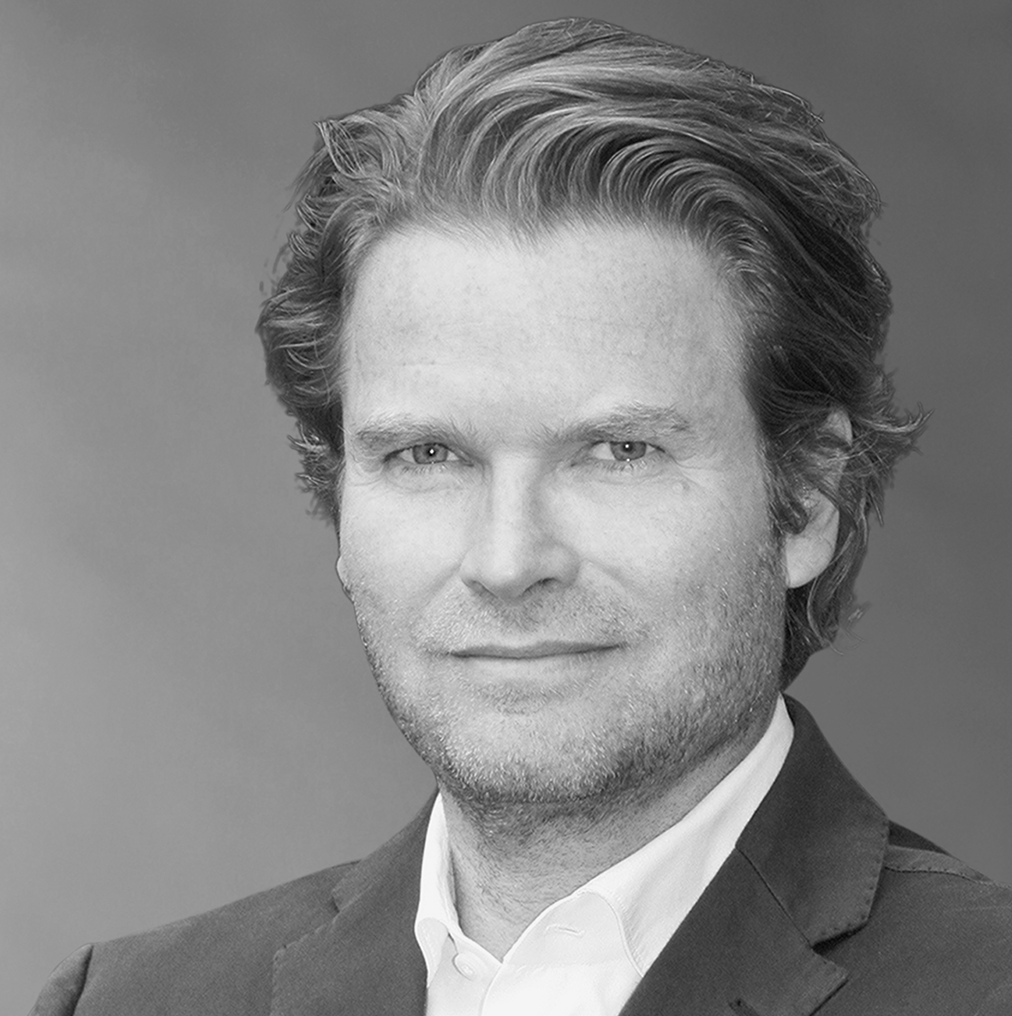
Dr. Jörg Schwarze
Germany
Dr. Schwarze studied dentistry and orthodontics in Bologna/Italy, Cologne and Bonn where he obtained his orthodontic specialization and doctorate degree. Apart from running two private orthodontic practices (Dentle Smile®️) and a professional orthodontic laboratory (KFO24 GmbH) in Cologne, he is in constant scientific exchange with the universities of Bonn, Cologne and Ferrara/Italy where he was an associate professor. He gives lectures on an international level and has released several scientific publications. He won three scientific awards (1992, 2009, 2013) of the German Orthodontic Society (DGKFO) and received the Align Technology International Research Award in 2011, 2012, 2014, 2015 and 2019 as well. In 2012 and 2021 Dr. Schwarze also received the Scientific Award of the DGAO. He is a member of various orthodontic associations and co-founder and General Secretary of the German Association of Aligner Orthodontics (DGAO). Using the Invisalign®️ technique since 2001 he is, with more than 2500 treatments, one of Europe’s most experienced practitioners and member of the European Clinical Advisory Board, the Clinical Education Council and the Intl. Product Steering Board of Align Technology and is now member of the scientific advisory board of Angelalign®️ since 2023. In 2012 he published his extraction strategy “IPRpe” (Smart Extraction) for the first time and developed the Aligner pliers “Gun I”, “Gun II” and “SlotMachine”. Dr. Schwarze founded the Aligner Academy®️ in 2017 and developed the Beneslider pliers “Beneplier A+B” and the “Benepusher” in 2018.