

Prof. Dr. Karl-Friedrich Krey & Dr. Anja Ratzman & Benjamin Hanel
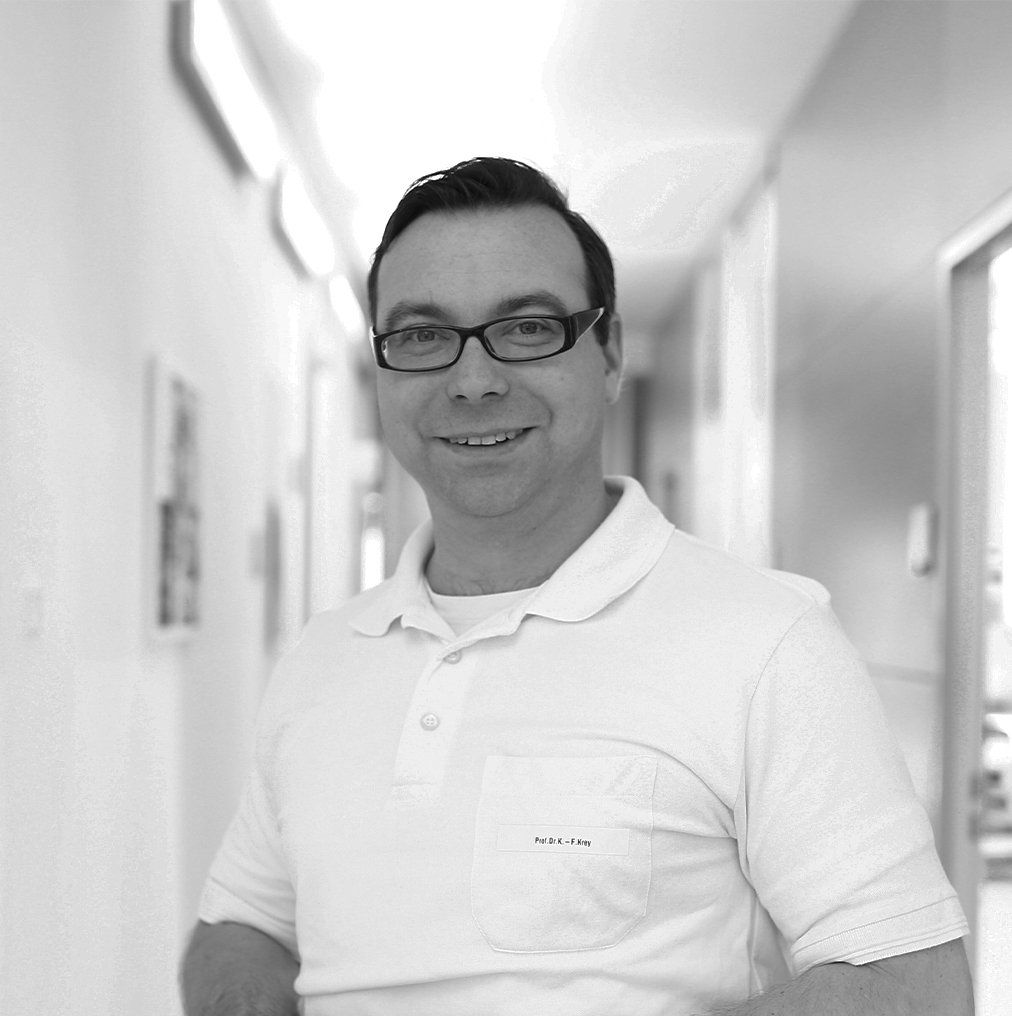
Prof. Dr. Karl-Friedrich Krey
Germany
- 1993-1998: Degree in Dentistry
- 1999-2003: postgraduate education "Fachzahnarzt für Kieferorthopädie" University Leipzig and Doctoral thesis
- 2005-2007: "Master of Medical Education", University Heidelberg
- 2010: Habilitation deputy Head of Department of Orthodontics at University Leipzig
- 2013: Head of Department of Orthodontics, University Medicine Greifswald
- Memberships in various national and international scientific societies as well as reviewer of internationally recognized journals.
Focus of research and clinical work
- Mathematical modeling/multivariate statistics in Orthodontics and related Anthropology
- Epidemiology, health services research
- Cold Atmospheric Plasma (CAP) research
- Treatment of children and adults with craniofacial anomalies, cleft-lip and palate
- Digital orthodontics, CAD/CAM, Aligners
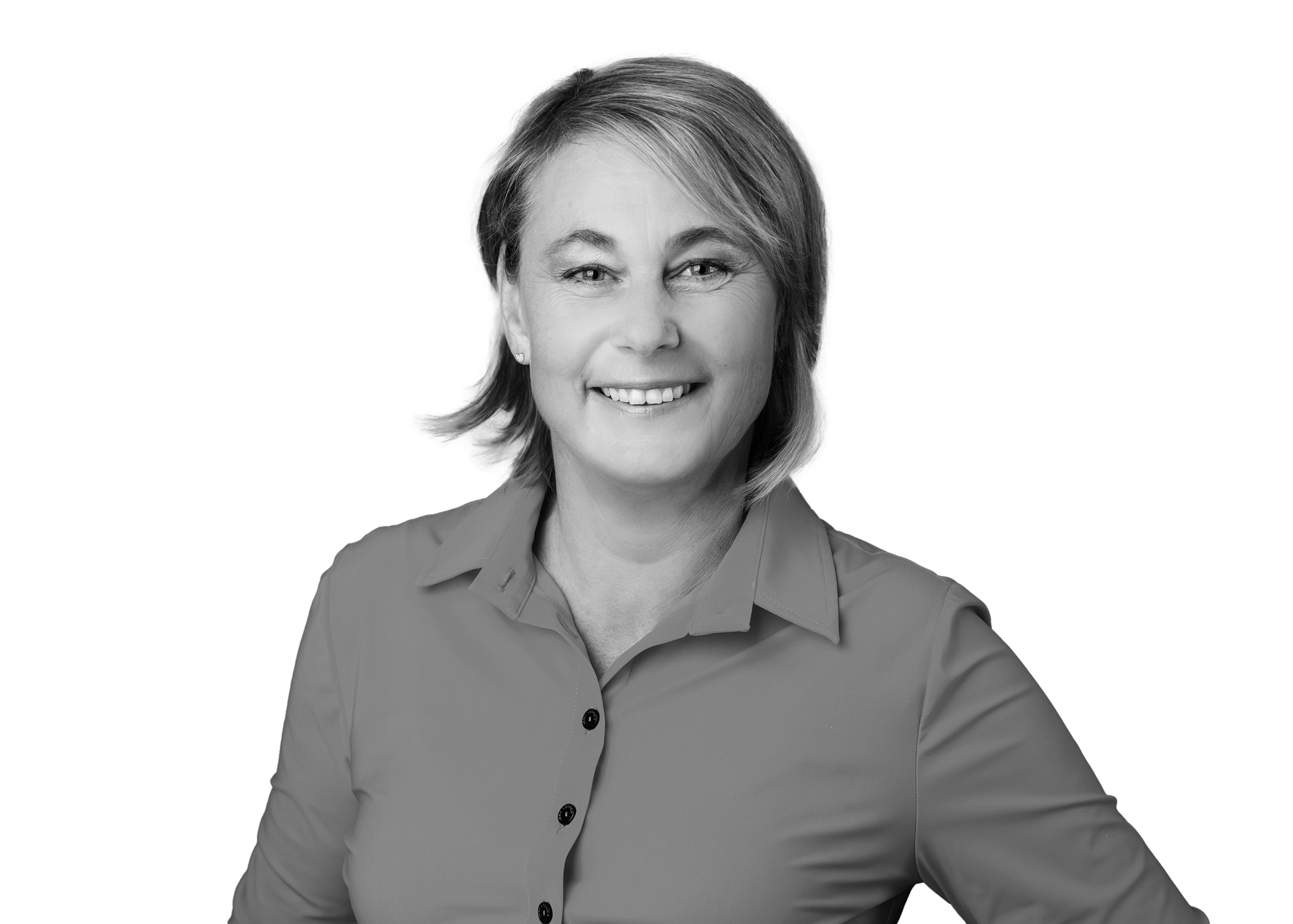
Dr. Anja Ratzmann
Germany
- October 2024 – May 2025 Certification in “Myofunctional Orthodontics – Mykie®”
- 17 July 2024 Habilitation and award of the venia legendi for dentistry
- 2024 Established and headed the division “Orthodontic Prevention and Early Treatment”
- January 2023 Appointed Deputy Director of the Department of Orthodontics at University Medicine Greifswald (UMG)
- 27 February 2013 Authorisation to provide specialist training in orthodontics by the Dental Association of Mecklenburg-Western Pomerania
- Since February 2008 Specialist in orthodontics at the ZZMK of the University of Greifswald
- February 2008 Specialist examination in orthodontics
- 10 December 2007 Completion of the postgraduate degree “Dental Functional Diagnostics and Therapy with Computer Support” (MSc) with the grade: “Excellent”
- 28 May 2004 Awarded the degree of Dr med dent
- September 2003 – February 2008 Specialist training assistant in the Department of Orthodontics at the ZZMK of the University of Greifswald (now UMG)
- Since November 2000 Research associate in the Department of Prosthodontics and Dental Materials at the ZZMK of the University of Greifswald (now UMG)
- 13 December 1999 Granted licence to practise dentistry
- 1993–1999 Studied dentistry at the Free University of Berlin and Humboldt University of Berlin
Areas of work
- Community Dentistry (research and teaching network of UMG Greifswald)
- Educational research and the development of new teaching and examination formats for preclinical training and orthodontic education
- Postgraduate education: Development of the postgraduate Master’s programmes “Dental Functional Diagnostics and Therapy with Computer Support” and “Dental Aesthetics and Function”
- Craniomandibular dysfunction
- Diabetes and oral health
- Digital orthodontics (digital planning and manufacturing)
- Digital therapy monitoring (methods of digital axiography, digital tooth shade determination, digital caries diagnostics)
- Orthodontic prevention and early treatment
Memberships in professional societies
- DGZMK – German Society of Dental, Oral and Maxillofacial Medicine
- GMA – German Society for Medical Education
- DGKFO – German Society of Orthodontics
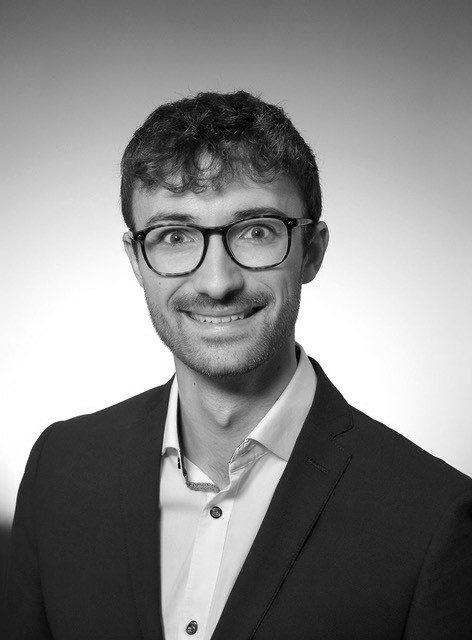
Benjamin Hanel
Germany
University Medicine Greifswald, since October 2021 Degree in Dentistry
- Second State Examination (Z2) September 2024
- First State Examination (Z1) September 2023
Research
- Force and torque development of shape memory aligners – Department of Orthodontics, Greifswald, Prof. Krey
Training courses
- Canadian Association of Orthodontists - Annual Scientific Session, September 2025
- Young Dental Experts – Theory and practice of implantology and augmentation, March 2025
- DGÄZ 2nd International Symposium – Theory and practice of aesthetic and reconstructive therapies, October 2022