

Dr. Werner Schupp & Dr. Oliver Ahlers
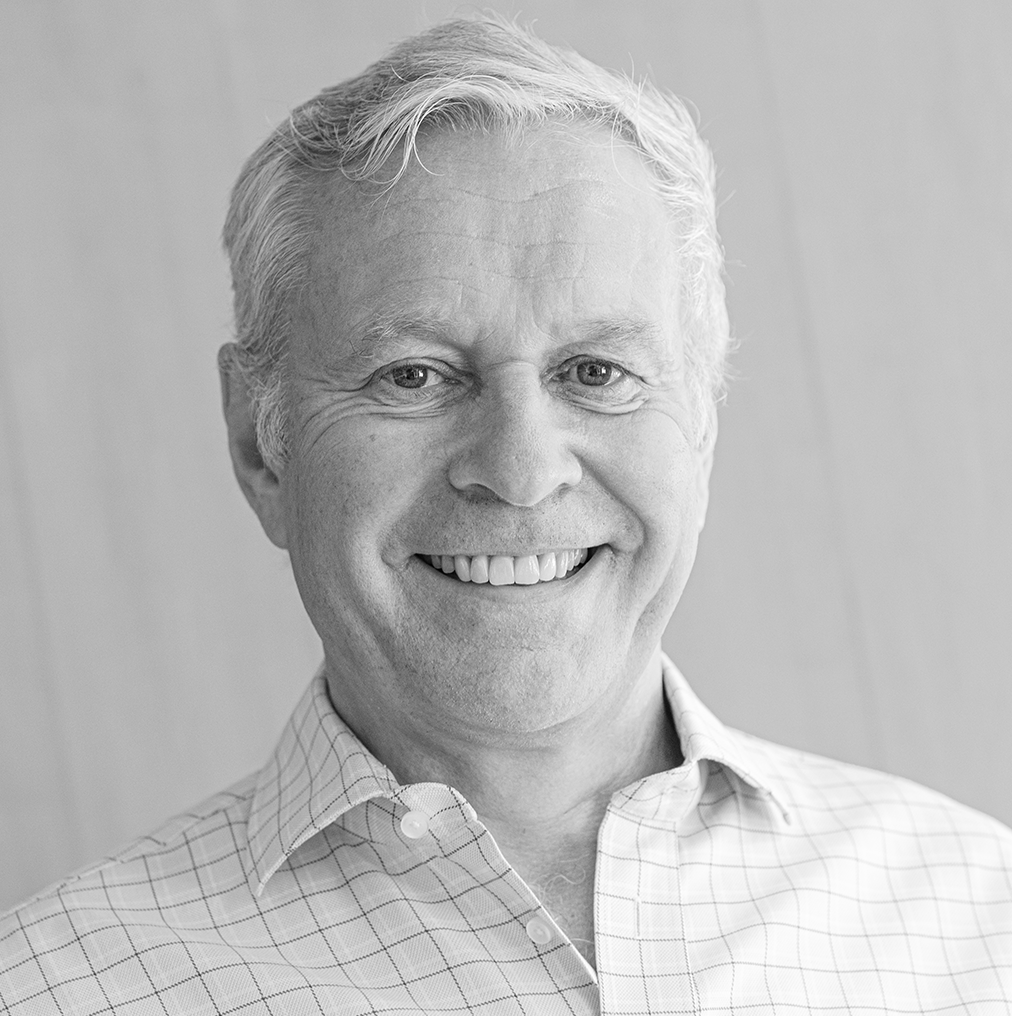
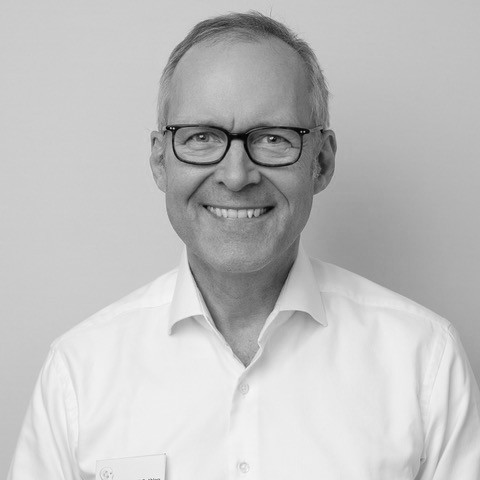
Dr. Werner Schupp
Germany
- Studied dentistry at the Westphalian Wilhelms University of Münster; final examination in 1985, doctorate in 1986.
- From 1987 to 1989, he worked as an assistant in the Department of Orthodontics at the Westphalian Wilhelms University of Münster under Director Prof. Dr U. Ehmer; specialist in orthodontics since 1989
- Worked in the private orthodontic practice of Dr D.E. Toll, DDS (US) in 1989 and 1990
- Ran a private practice as a specialist in orthodontics in Cologne from 1991 to 2024
- Since March 2025, Senior Consultant in the Department of Orthodontics (Director Prof. Dr G. Danesh) at Witten/Herdecke University
Publication of the books:
- “Funktionslehre in der Kieferorthopädie” [Functional Principles in Orthodontics], 2000 (ISBN: 3-928055-03-8)
- “Kraniomandibuläres und Muskuloskelettales System” [Craniomandibular and Musculoskeletal System], published 2012 with Dr Boisserée, Quintessence Publishing
- “Aligner Orthodontics”, published in 2015 with Dr Haubrich, Quintessence Publishing (English, Japanese, Chinese, Portuguese, and French editions)
- “Aligner Orthodontics and Orofacial Orthopaedics”, published 2023 with Dr Haubrich, Quintessence Publishing (English, Japanese, Chinese, and Korean editions)
- Editor-in-Chief of the “Journal of Aligner Orthodontics”, Quintessence Publishing
- Advisory board member of “Manuelle Medizin und Kieferorthopädie” [Manual Medicine and Orthodontics] (Springer)
- Advisory board member of “Kieferorthopädie” [Orthodontics], Quintessence Publishing
- Certified in manual medicine and osteopathy for orthodontics (DGMM/GBO)
- Best Lecture Award, European Aligner Society (EAS)
- 2016 founding member and former President of the “German Board of Orthodontics and Orofacial Orthopaedics” (GBO)
- Founding member and board member of the “German Society for Aligner Orthodontics” (DGAO)
- President of the study group “Craniomandibular and Musculoskeletal Medicine”
- Former Visiting Professor at the University of Ferrara, Italy (Chair Prof. Giuseppe Siciliani)
- Visiting Professor at the Faculty of Stomatology, Capital Medical University, Beijing, People’s Republic of China (Chair Prof. Yuxing Bai)
- Visiting Professor at Ningbo Stomatological Hospital, People’s Republic of China (Chair Prof. Guo)
- Former member of the German national eventing team
Dr. Oliver Ahlers
Germany
Career history:
- 1988 State examination in Hamburg and licence to practise
- 1989 Research associate at the University Medical Centre Hamburg-Eppendorf (UKE), Department of Restorative Dentistry
- 1992 Doctoral degree awarded
- 1992 Head of the CMD and Chronic Pain Working Group of the Hamburg Dental Association
- 1992 Head of the CMD consultation clinic at the ZMK Clinic, UKE
- 1997 Senior Consultant
- 2001 Secretary General of the German Society for Functional Diagnostics and Therapy (DGFDT)
- 2004 Habilitation and award of the venia legendi
- 2004 Deputy Medical Director of the Department of Restorative and Preventive Dentistry
- 2005 Founded the CMD Centre Hamburg-Eppendorf
- 2005 Appointed specialist in functional diagnostics and therapy by the DGFDT
- 2008 Associate editor of the “Journal of Craniomandibular Function”
- 2010 CMD Centre Hamburg-Eppendorf certified as the first postgraduate training centre for specialists in functional diagnostics and therapy (DGFDT)
- 2014 Chair of the Continuing Education Committee of the Hamburg Dental Association
- 2018 Calibrated examiner for the “Diagnostic Criteria for Temporomandibular Disorders (DC/TMD)”
- 2023 Lecturer on CMD and bruxism in the iMED DENT model degree programme at the University of Hamburg
- 2025 Certification in MRI in dentistry (Working Group on Imaging in Dentistry, DGZMK)
- 2025 President of the German Society for Functional Diagnostics and Therapy (DGFDT)
Scientific awards
- Eleven conference best paper awards from the DGFDT (1996, 2001, 2008, 2009, 2011, 2016, 2018, 2021, 2022, 2023, 2024)
- Four Alex Motsch Awards from the DGFDT for the best scientific publication of the year
- Journal articles and books
- Approximately 150 journal publications (of which 100 are peer reviewed), several textbooks, and various patents as well as software for dental functional analysis and numerous medical devices